Indian Maces and the Quiet Power of Unfamiliar Tools
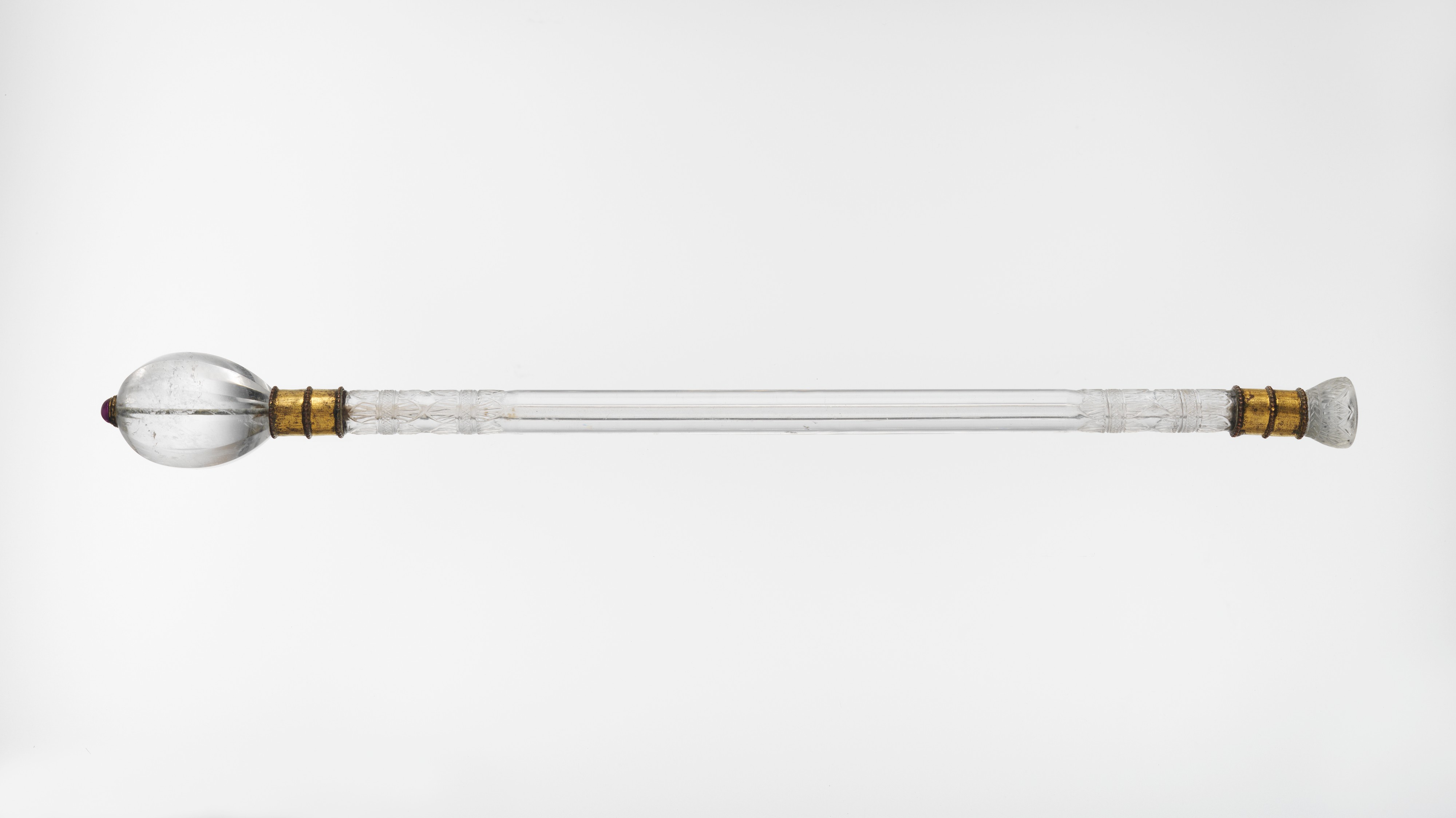
Indian mace work sits in a rare place between skill practice and conditioning. It asks for timing, intent, grip awareness, and enough patience to let the body organize around a moving load. Placeholder copy here can eventually speak about how circular patterns reveal weak links in posture, shoulder control, and trunk connection.
The prototype article can also describe the emotional side of the tool: the way it slows people down, the way it asks for respect, and the way a simple swing can expose whether someone is forcing movement or guiding it. That makes it a strong editorial fit for The High Ground.
How it changes a session
Placeholder text can live here about warm-ups, preparatory flows, and the way mace patterns create a different tempo from barbell or dumbbell work. The article could explain that the load is often less important than the quality of the arc, the path around the head, and the ability to stay tall while the tool pulls off-center.
You could also use this section to compare heavy, slower mills with lighter technical variations and explain how both serve different training goals. For a final version, this would be a good place to include coaching notes, common errors, and cues for first-time users.
Where this could go next
The final published version could evolve into a recurring journal format: tool spotlights, coach notes, movement essays, or class philosophy pieces. This prototype is mainly about testing hierarchy, pacing, navigation, and mood within the existing brand language.
You can swap in real coaching insights later, shorten the lead, add pull quotes from the team, or expand this into a richer editorial archive without changing the page structure very much.